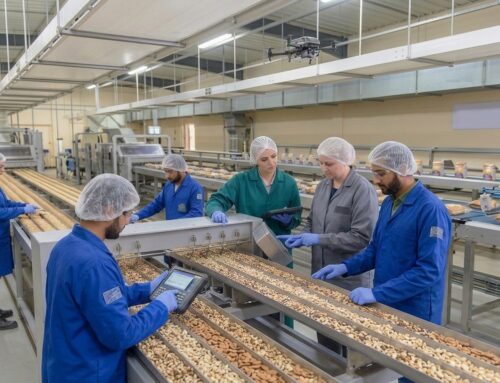
Food manufacturers who want to sell packaged foods, fresh produce, or beverages on the shelves of major grocery retailers need to understand how to pass a retailer food safety audit.
Most major retailers, Costco, Amazon/Whole Foods, Walmart and others, require suppliers to demonstrate compliance through recognized third-party food safety audits or certifications. The specific requirements vary by retailer, product category, and level of risk.
While compliance with the Food Safety Modernization Act (FSMA) is a legal requirement for facilities regulated by the FDA, many retailers go beyond regulatory compliance by requiring suppliers to maintain third-party certifications recognized by the Global Food Safety Initiative (GFSI).
However, many manufacturers underestimate the difference between “production ready” and “retail ready” products. Understanding what food safety audits actually entail and what retailers expect from their suppliers makes a huge difference in getting your products to market.
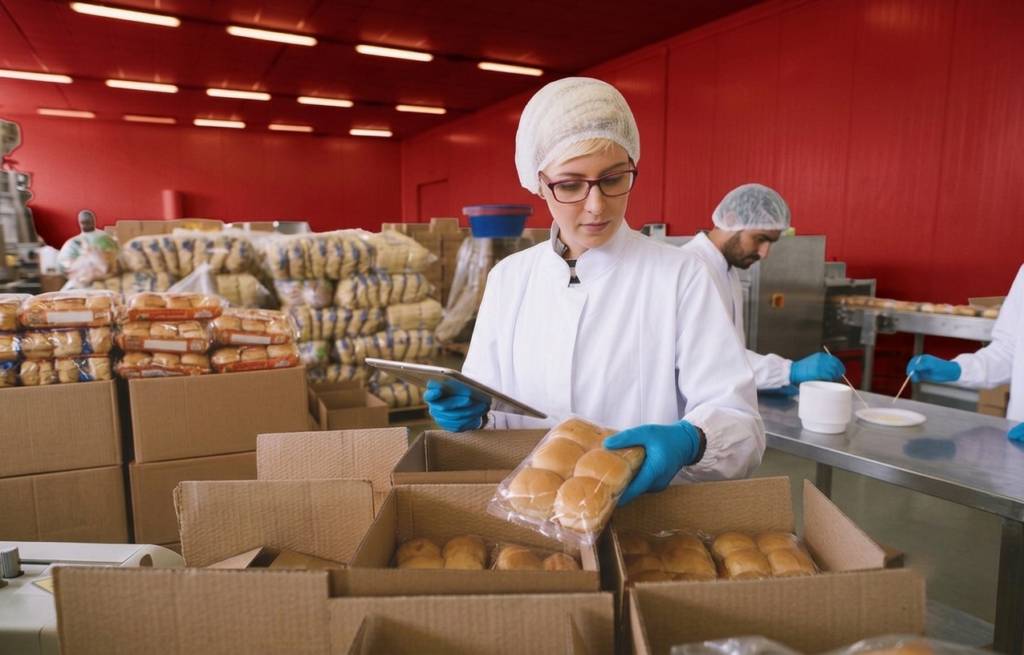
What a Food Safety Audit Actually Is
Grocery stores rely on massive supply chains that stretch from locally sourced items to nationally distributed products. To increase the likelihood that the foods they sell are free from contamination and health risks, grocery stores require manufacturers to submit their products to a formal audit or certification to prove that they meet food safety standards.
Third-party audits and certifications help suppliers demonstrate that their products are manufactured, handled, and stored in compliance with local, state, and federal regulations.
Food safety audits are designed to verify that a supplier has documented food safety management systems in place, maintains consistent documentation and traceability of their products, and implements preventive controls to meet retailer standards.
Internal checks aren’t enough to convince a retailer to stock your products. Audits and certifications need to be conducted by third-party auditors to ensure every food product meets their standards.
The Core Food Supplier Audit Requirements
The food supplier audit requirements for major grocery retailers follow a few core frameworks.
GFSI-Benchmarked Certification Schemes
The Global Food Safety Initiative (GFSI) is an industry-driven, private organization that develops the benchmarks for food safety certification schemes used by retail chains.
Retailers often require certification to a GFSI-benchmarked food safety certification program. These programs help retailers evaluate suppliers against consistent, global standards, without having to create their own audit programs from scratch.
A few of the most commonly used GFSI-benchmarked food-safety certification programs include:
- Safe Quality Food Certification (SQF)
- Brand Reputation Compliance Global Standards (BRCGS)
- FSSC 22000
- PrimusGFS
Food manufacturers who can show retailers that they have achieved certification through one of these certification programs can demonstrate that their facilities have been independently audited against global food safety standards.
Good Manufacturing Practices (GMP)
Good Manufacturing Practices (GMPs) establish the foundational operational and sanitation requirements for producing safe food. In the United States, GMP requirements are outlined in FDA regulations and cover a broad range of manufacturing activities, including employee hygiene, facility and equipment maintenance, sanitation, pest management, process controls, warehousing, and recordkeeping.
While GMP compliance is a regulatory requirement for FDA-regulated food facilities, some retailers and customers may also require a third-party GMP audit as part of their supplier approval process.
For many lower-risk food products, a GMP audit may satisfy a retailer’s supplier qualification requirements. However, manufacturers producing higher-risk foods or supplying large national retailers are often expected to obtain a GFSI-recognized certification, such as SQF, BRCGS, or FSSC 22000, which builds upon GMP principles through more comprehensive food safety management system requirements.
Good Agricultural Practices (GAP)
GAP functions similarly to GMP, but focuses on farms, orchards, and fields where produce is grown and harvested. These standards focus on agricultural water management, and the management of manure, compost, soil, and fertilizer.
GAP audits and certification are often conducted by third parties in alignment with USDA requirements and serve to prove that produce is safe for consumption.
FSMA Compliance & Grocery Store Requirements
The Food Safety Modernization Act (FSMA) establishes the regulatory foundation for food safety in the United States by shifting the focus from responding to foodborne illnesses to preventing them. For FDA-regulated food manufacturers, compliance with FSMA is a legal requirement and serves as the baseline for producing safe food.
Many facilities are required to develop and maintain a written Food Safety Plan that includes a hazard analysis, risk-based preventive controls, monitoring procedures, corrective actions, verification activities, and a recall plan. These plans are typically developed and overseen by a Preventive Controls Qualified Individual (PCQI).
While FSMA compliance is required by law, many grocery retailers and distributors have additional supplier approval requirements that go beyond regulatory compliance. Third-party audits and GFSI-recognized certifications are often used to demonstrate that a manufacturer has implemented a mature food safety management system and can consistently meet retailer expectations.
What Retailers Actually Check During Supplier Audits
The majority of grocery stores, from big box retailers to local markets, expect a few key systems to be in place for a supplier audit.
Number one is a food safety management system. Retailers expect suppliers to have a documented system for preventive controls, corrective actions, and continuous safety monitoring. Hazard Analysis and Critical Control Points (HACCP) plans are another key requirement for identifying and evaluating possible hazards in your production line.
Suppliers also need to have a system for tracing ingredients and finished product batches throughout the supply chain. Retailers want to know that you have a plan for recall, in the event something does go wrong.
Auditors are also likely to evaluate your facility itself. They’ll want to see how you handle sanitation, temperature control, and pest management. Demonstrating cross-contamination prevention is also essential for preventing the transfer of bacteria, viruses, and foodborne allergens from spreading.
Many retailers also want to see that your company has a documented supplier approval program and an ongoing supplier verification process that ensures compliance to food safety standards.
Grocery Store Food Safety Audit Requirements for Suppliers
The food safety audit requirements of grocery stores tend to vary based on the size and type of each store. Though each store has its own requirements, they all tend to emphasize third-party audits, documented preventive controls, and a specific approval process.
Big Box Retailers
Major national retailers like Walmart, Whole Foods, and Costco tend to have the most rigorous food safety audit supplier requirements. Manufacturers usually must have at least one GFSI-benchmarked certification programs like SQF, BRCGS, or FSSC 22000 to sell their products at these stores.
When producing higher-risk food products or private/white-label for their in-house brands, the food safety requirements are often greater. Big box retailers are also more likely to require third-party audits, preventive controls, and strict compliance monitoring.
Conventional Grocery Stores
Traditional supermarket chains like Ralphs, Albertsons, and Raley’s have more variation in their standards, but still strongly prefer suppliers that have completed GFSI-recognized certifications or third-party GMP audits. Produce suppliers typically also require GAP certification to be stocked on these store shelves.
Specialty and Natural Retailers
Specialty retailers often have special requirements that focus on the type of product being sold. Retailers like Sprouts, Natural Grocers, and Whole Foods often have supplier food safety certification requirements that tend to focus on natural, organic, and specialty food products.
Depending on the food category, suppliers may be expected to hold GFSI-recognized certifications or other food safety programs like GMP, GAP, or HACCP.
Food Distributors and Wholesale Networks
Sometimes food safety audit compliance is determined not by grocery stores, but distributors and wholesalers who purchase products and supply them to restaurants as well as grocery stores. Distributors like Sysco, US Foods, and UNFI have their own supplier approval requirements for doing business. These organizations may require annual food safety audits, supplier verification programs, and traceability systems.
How to Become an Approved Food Supplier for Grocery Stores
Grocery stores have their own specific onboarding processes, but most tend to follow similar steps.
- Complete a product review and supplier application
- Submit food safety documentation such as HACCP plans and recall plans
- Obtain required food supplier compliance GFSI vs GMP audits
- Pass third-party or retailer specific audits
- Complete annual or regular re-audits
How to Pass a Retailer Food Safety Audit
Preparing for a retailer food safety audit requires much more than organizing paperwork a few weeks before the auditor arrives. Successful manufacturers build food safety into their daily operations through documented procedures, employee training, effective preventive controls, and a culture of continuous improvement.
Before scheduling an audit, take time to evaluate your readiness. Start by confirming that your food safety documentation is current, complete, and readily available. This includes your Food Safety Plan, HACCP plan (where applicable), sanitation and preventive maintenance programs, supplier approval records, employee training records, allergen management procedures, recall plan, and traceability documentation. Incomplete, outdated, or inconsistent records are among the most common causes of audit findings.
Conducting an internal or mock audit is another valuable step. Reviewing your facility against the same criteria used by third-party auditors helps identify gaps, verify that corrective actions have been implemented, and ensure employees understand and consistently follow established procedures before the formal audit.
Remember that auditors evaluate far more than documentation. They observe employee practices, sanitation procedures, equipment condition, allergen controls, facility maintenance, and the overall effectiveness of your food safety management system. They also look for evidence that issues are identified, investigated, corrected, and prevented from recurring through a structured corrective action process.
Ultimately, the most successful audits are achieved by organizations that view food safety as an ongoing commitment rather than a one-time event. Maintaining strong programs year-round not only improves audit performance but also strengthens product quality, regulatory compliance, and customer confidence.
Food Safety Audit Coming Up? Contact Manex
Food manufacturers who want to get their products into national retailers like Costco, Walmart, Whole Foods, or Safeway need to demonstrate that their products meet the requirements of food safety compliance systems.
While each retailer’s requirements are different, they almost all require a thorough food safety management system, complete documentation, and the ability to trace your products through the supply chain.
When manufacturers fail an audit, it’s often not because they don’t have a quality product, but because they simply weren’t prepared for an extensive food safety audit.
With more than 30 years of experience helping California manufacturers strengthen their food safety systems, prepare for third-party audits, and meet retailer expectations, Manex can help you prepare for your next audit or certification with confidence.
Contact our team today to learn how we help you prepare for food safety audits and become retail-ready.